



Regular price
Unit price
per
· By Jennifer Blom
Bullet Journal or Quilted Journal?
Quilting has a funny way of taking over your life in the best possible way. What starts as one fabric bundle and a “simple weekend project” somehow turns into shelves of fabric, stacks of patterns, bins of scraps too pretty to throw away, and at least three unfinished quilts quietly waiting for their comeback moment. Somewhere along the way, most quilters realize they don’t just need sewing supplies. They need a system.
That’s where bullet journaling comes in.
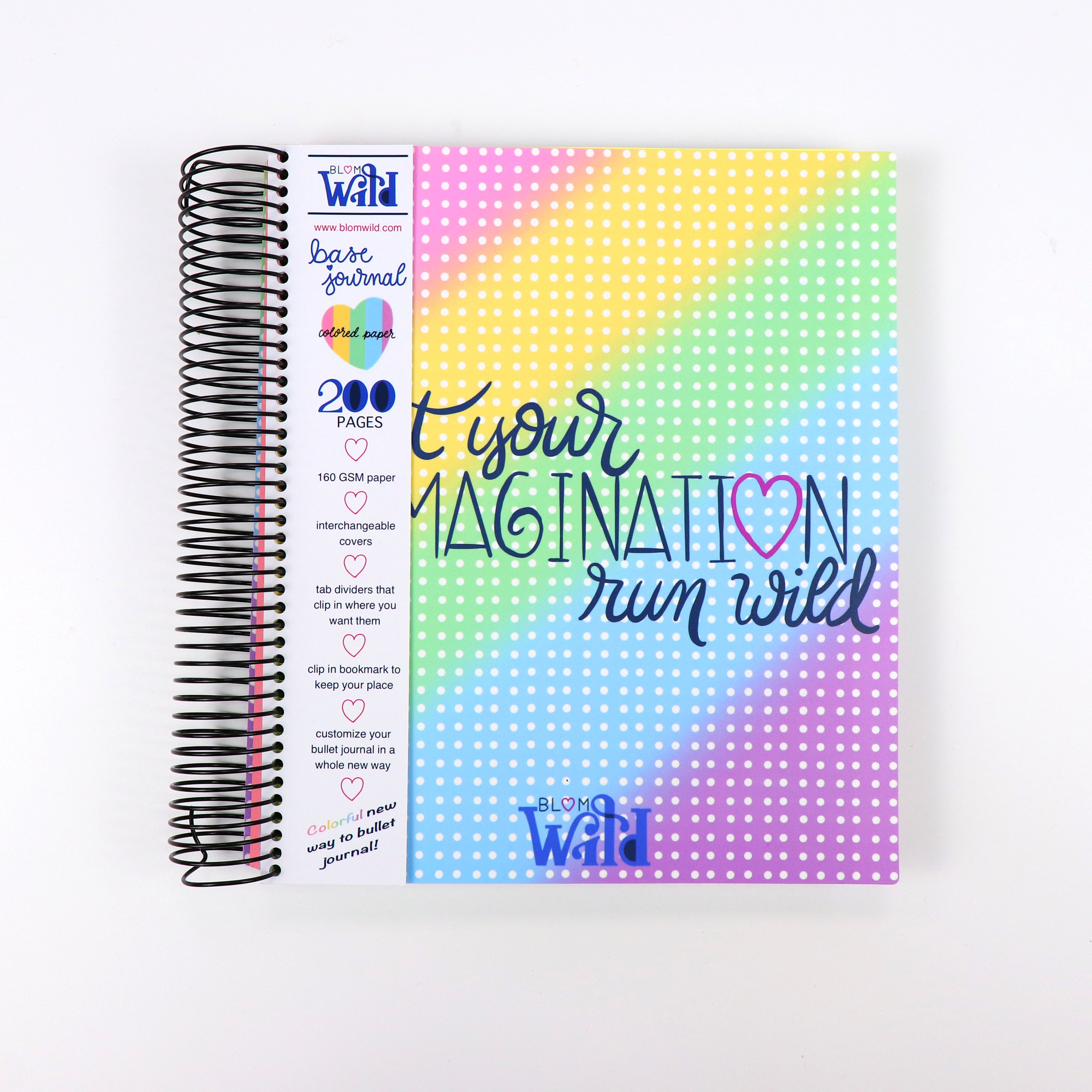
A bullet journal can become the ultimate companion for your quilting hobby because it gives all of your ideas, plans, projects, and creative chaos a place to live. It is part planner, part sketchbook, part memory keeper, and part sewing room survival tool. Best of all, it can be completely customized to fit the way you quilt.
One of the most useful ways to use a bullet journal for quilting is project planning. Every quilt usually begins as an idea floating around in your head, whether it came from a fabric collection you fell in love with, a pattern screenshot saved to your phone at midnight, or inspiration from another maker online. A bullet journal gives you a place to turn those scattered ideas into actual plans. You can dedicate pages to individual quilts with information like the finished size, fabric requirements, color palette ideas, deadlines, gifting plans, and notes about modifications you want to make. Instead of trying to remember everything later, your entire project lives in one organized space.
Bullet journals are also incredibly helpful for managing fabric stashes. Most quilters know the experience of buying fabric because it looks familiar, only to get home and discover you already owned it in three slightly different shades. Keeping track of your stash in a journal can save both money and frustration. Some quilters use swatches taped directly onto the pages while others simply write descriptions and yardage amounts. Over time, your journal becomes a fabric library you can reference whenever inspiration strikes. It also helps you actually use the beautiful materials you already own instead of forgetting they exist in the back corner of a cabinet somewhere.
Another great use for a quilting bullet journal is tracking unfinished projects, also known in quilting circles as UFOs, or UnFinished Objects. Nearly every quilter has them. There is always a quilt top waiting for binding, a stack of half-finished blocks in a basket, or a project that seemed exciting until another one stole your attention. A bullet journal helps keep those projects visible without making them feel overwhelming. Instead of forgotten piles creating guilt every time you walk into your sewing room, you can create a manageable list of works in progress and slowly move them toward completion.
For quilters who collect patterns, a bullet journal can quickly become a pattern catalog as well. Digital downloads, printed patterns, screenshots, and saved links can become surprisingly difficult to manage over time. Keeping a running list of patterns you own, where they came from, whether you have made them before, and any notes about sizing or difficulty makes it much easier to plan future projects. You may even find yourself reviewing patterns afterward with notes like “great beginner pattern” or “never again without coffee and patience.”
Many quilters also use their journals to organize their sewing spaces and supplies. Sewing rooms tend to collect tools the way fabric stashes collect fat quarters. Rotary blades, rulers, thread spools, needles, batting, clips, interfacing, and specialty feet all seem to multiply when left unsupervised. A journal can help you track what you already own, what needs replacing, and what is on your wish list. It can even help you remember practical things like machine maintenance dates or which needle types work best for certain fabrics.
One of the most creative uses for a quilting bullet journal is color planning and inspiration gathering. Quilting is such a visual hobby, and journals provide a perfect place to experiment with ideas before cutting into expensive fabric. Some quilters create full mood boards with paint swatches, magazine cutouts, stickers, sketches, and fabric snippets. Others use colored pens or markers to test layout ideas and combinations. The journal becomes less of a planner and more of a creative playground where inspiration can grow.
Bullet journals are also especially useful for quilt-alongs and block-of-the-month projects. These types of projects can quickly become confusing if you lose track of which blocks are complete, what fabrics were assigned, or which tutorial videos you still need to watch. Keeping everything documented in one place makes the process much smoother and far more enjoyable. It also creates a wonderful record of your progress over time.
For quilters trying to be more mindful of spending, bullet journals can double as budgeting tools. Fabric shopping is easy to justify in the moment because technically every purchase is for a future project. Tracking fabric purchases, tools, retreat expenses, and quilting-related spending can help create balance without removing the joy from the hobby. Many quilters are surprised when they realize how much value they have already built within their own stash.
Goal setting is another area where quilting journals really shine. You can create seasonal sewing goals, challenge yourself to finish older projects, track new techniques you want to learn, or set personal creative milestones. Whether your goal is to finally master foundation paper piecing or simply use fabric from your stash before buying more, writing it down often makes it feel more achievable.
Perhaps the most meaningful use for a quilting bullet journal is memory keeping. Quilts are rarely just blankets. They are gifts for loved ones, comfort during difficult times, celebrations of milestones, and physical reminders of moments in life. Recording the stories behind your quilts adds another layer of meaning to your hobby. You can include photos of finished projects, notes about who received them, memories tied to certain fabrics, or lessons learned along the way. Years later, those pages become more than organizational tools. They become a timeline of your creativity and your life.
The best part about using a bullet journal for quilting is that there are no rules. Your journal does not need to look perfect or match a Pinterest aesthetic to be useful. In fact, the messier pages are often the most inspiring. A good quilting journal ends up filled with thread scraps, crooked notes, coffee stains, fabric swatches, rushed ideas, and creative sparks captured before they disappear. It becomes a reflection of the hobby itself: creative, colorful, comforting, and wonderfully imperfect.


